Hammersmith Academy
Helping to establish Hammersmith Academy from an idea on paper to a new school in west London, through sponsorship, governance, funding and the practical business of creating an institution intended to outlast its founders.
What we built
My time in numbers
2007-2012
Founding director and trustee
£35.25M
Capital programme
200 years
Proposed site lease
£1M
WCIT endowment
2,765
Students educated in first decade
1M+
School meals served
510
Chromebooks distributed
1
Founding Headteacher
How things changed

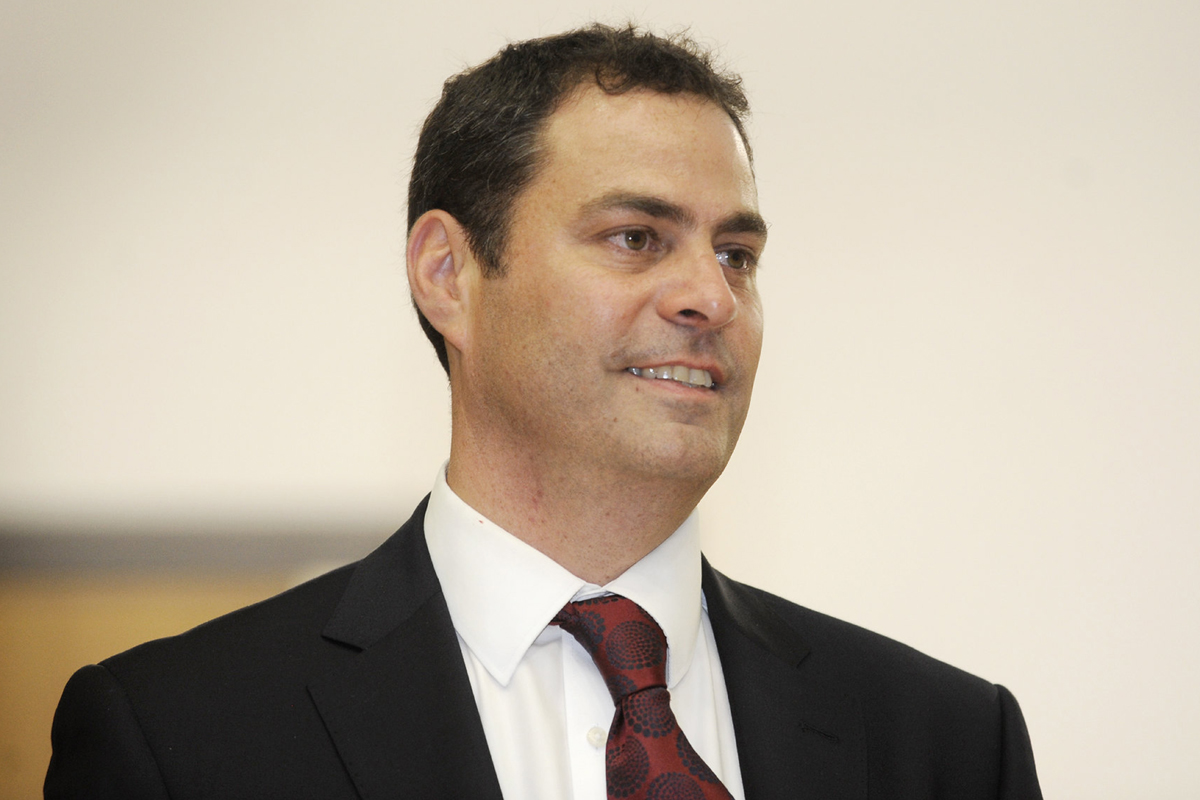

Hammersmith Academy welcomed its first students. Contracts, budgets, leases and risk registers were put to one side, and the Academy got down to work.
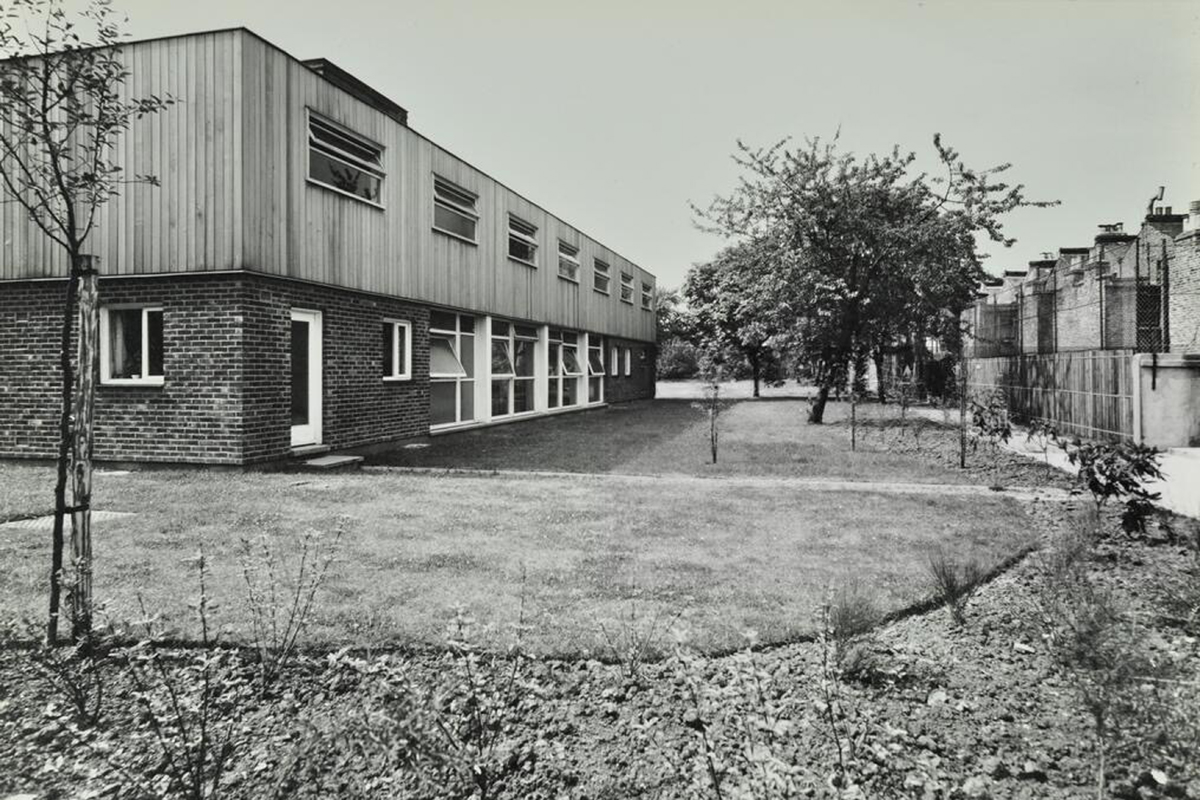
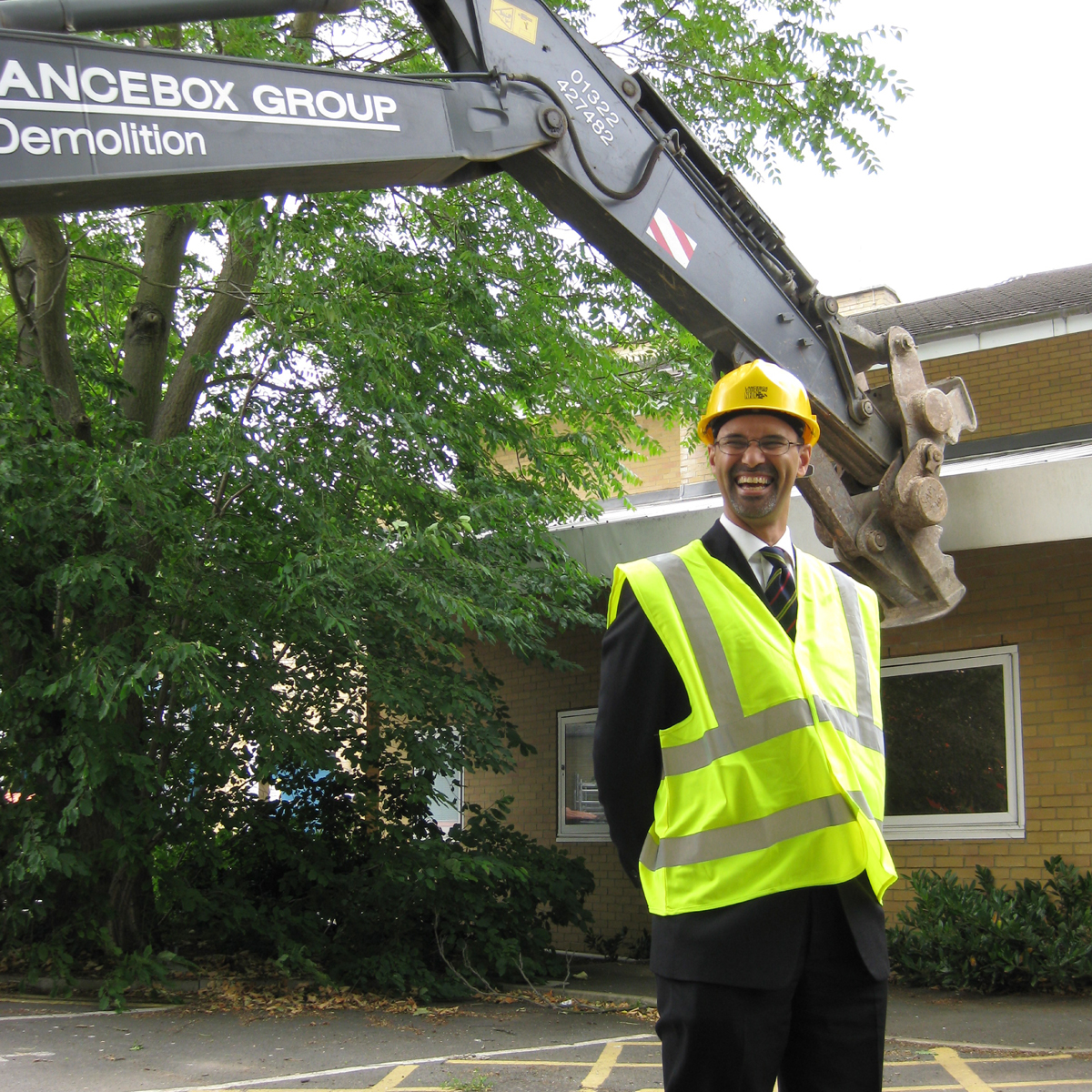
Stamford House, a youth detention and remand centre: the site of Hammersmith Academy.
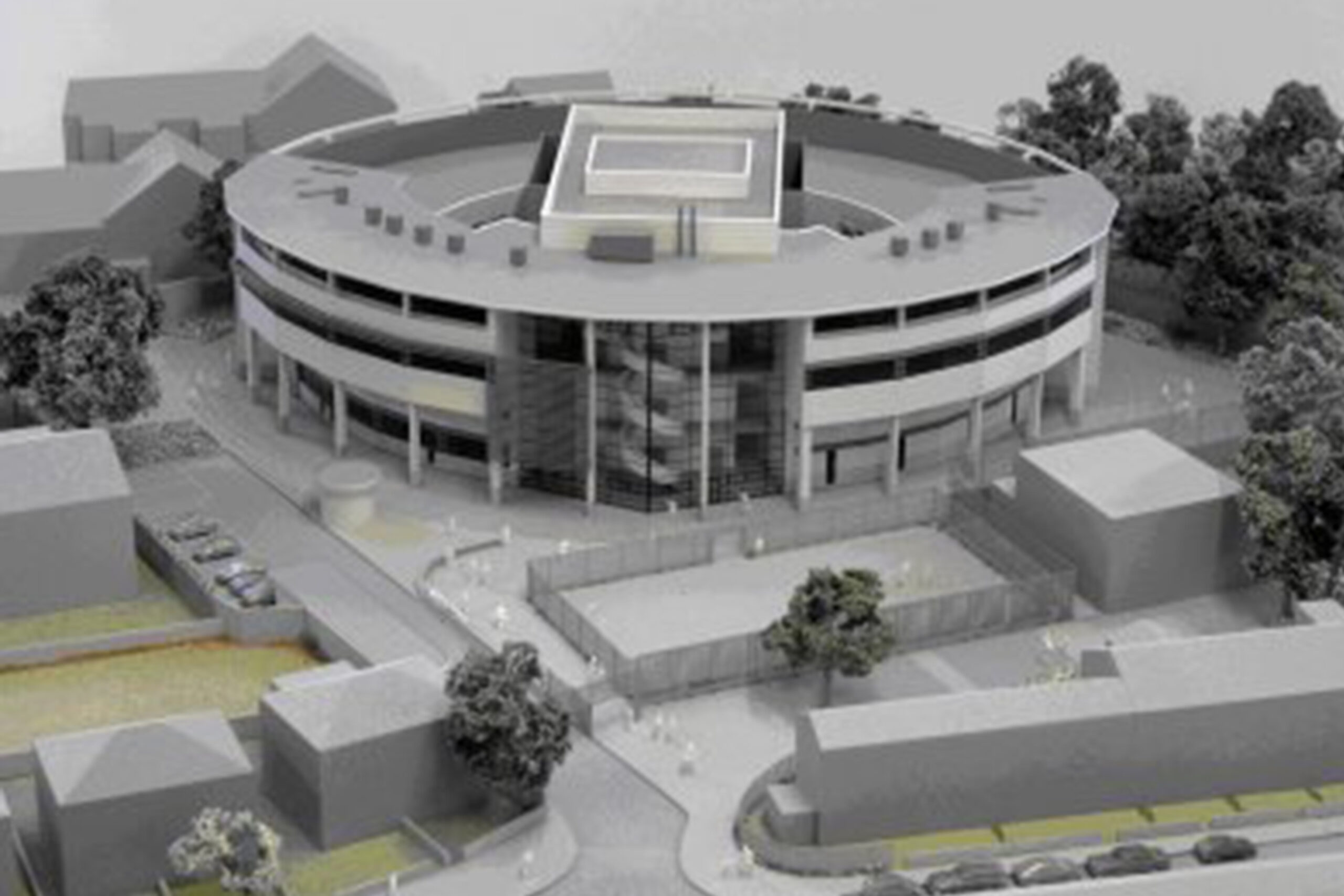
An early model of the proposed Academy.

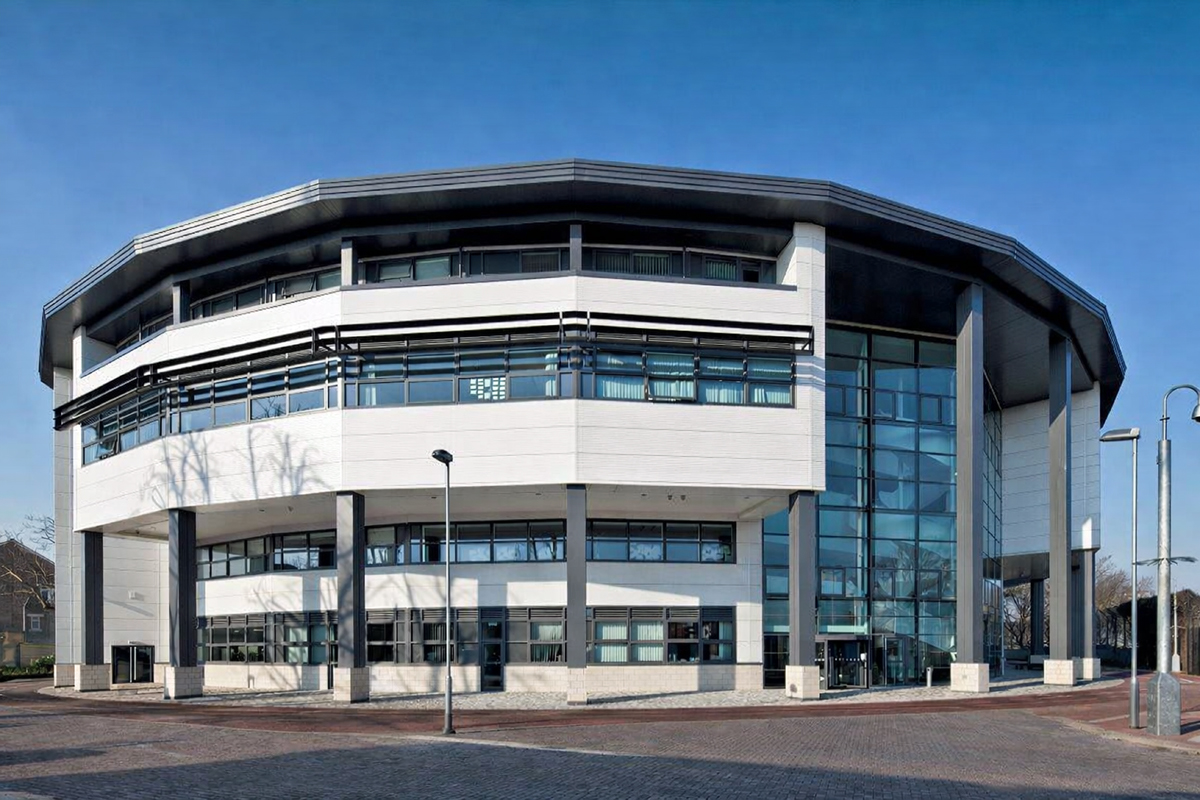
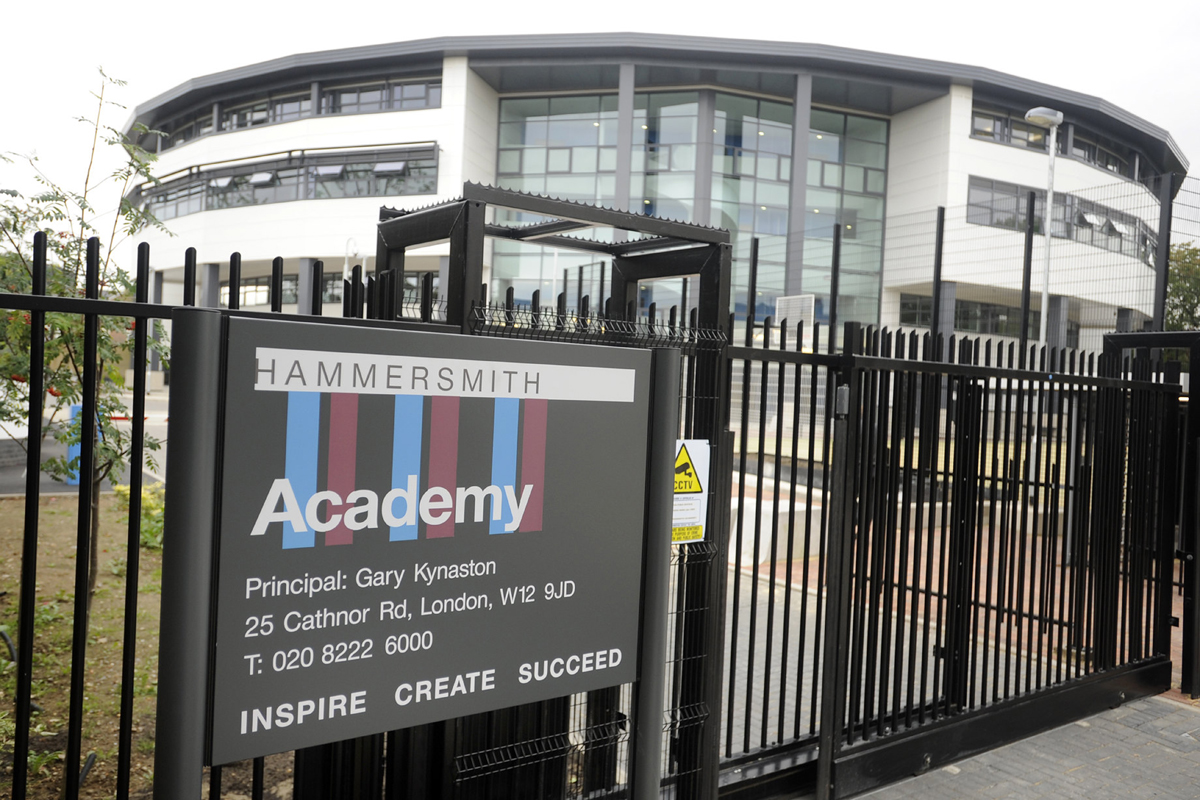
Hammersmith Academy today.
The work behind the timeline
The dates describe the visible progress from proposal to opening. Behind them lay several years of voluntary work, shared responsibility and repeated problem-solving. Creating Hammersmith Academy required much more than approving an educational idea. The sponsors had to establish a charitable company, secure land and funding, appoint professional advisers, oversee design and procurement, satisfy government requirements and create the governance through which a new public institution could operate.
Before there was a school
Hammersmith Academy Trust was incorporated on 11 October 2007. I became one of its founding directors and charity trustees, representing WCIT alongside Tom Ilube and Michael Grant. Tom led WCIT’s involvement and was the driving figure from our side of the project. Wendy Parmley, another WCIT member and former head teacher, led our work on the educational offering and curriculum design.
Describing this as school governorship understates the nature of the responsibility. There was no established school, staff body or student community to govern. The Trust had been created to help bring all of those things into existence. As directors and trustees, we shared responsibility for the legal body that would enter the Funding Agreement, oversee the creation of the Academy and eventually operate it.
The need was real. Contemporary local-authority evidence showed that many families were choosing secondary schools outside the borough. The proposed Academy offered an all-ability school and sixth form in which technology, digital media and links with employers would be embedded across the educational model.
The project nevertheless came close to ending within weeks of the Trust being formed. Changes in government policy raised serious concerns about finance, flexibility and the sponsors’ ability to deliver the intended school. A press release announcing their withdrawal was drafted in November 2007. It was never issued. Agreement was reached on a way forward, but the episode showed how little about the eventual outcome was inevitable.
From sponsor to client
By February 2008, Hammersmith & Fulham Council was describing the sponsors as 'designing and procuring the Academy'. The Mercers' and WCIT were not simply providing money or lending their names to a project delivered by somebody else. They had assumed substantial client-side responsibility for creating a major new educational institution.
I represented WCIT on the Building Committee. Its responsibilities included design, procurement, cost, programme, planning, contractor selection, project risk and change control. These were practical responsibilities with significant financial and public consequences.
The site at Cathnor Road was constrained and technically difficult. We had to address access, traffic, neighbouring properties, ground conditions, demolition, drainage, sustainability requirements and the absence of conventional playing fields. At the same time, the developing design had to remain faithful to an ambitious educational brief while fitting within a finite public budget.
The resulting decisions were rarely isolated. A delay to the lease could affect the Funding Agreement. A design change could alter cost, planning and programme simultaneously. Difficulties with sports provision could affect the curriculum. Reducing the building could save money but compromise the educational proposition. The work required sustained attention to how legal, financial, educational and practical decisions affected one another.
Land, endowment and government
In June 2008, I took on two particular pieces of work. I was asked to follow up completion of the proposed 200-year site lease on the Company’s behalf and to engage with the Department for Children, Schools and Families about the structure of the Academy endowment.
Neither was a peripheral matter. The Academy could not be built without secure arrangements for the land, while the endowment formed an important part of WCIT’s long-term commitment to the institution.
WCIT ultimately raised £1 million for the Academy endowment, while the Mercers contributed £1 million towards the building. These commitments sat alongside substantial public investment and the voluntary expertise contributed by members of both Companies.
This was an example of the 'time and talent' model envisaged at the beginning of WCIT’s involvement. Professional experience was being applied to a public project whose scale and complexity went far beyond conventional grant-making.
Judgement, challenge and persistence
The original ambition was to open the Academy in September 2010. By the summer of 2008, it had become clear that meeting that date would require unacceptable compromise. Temporary accommodation risked weakening the technology and creative-media proposition before the school had properly begun.
The sponsors chose to move the opening to September 2011. Preserving the quality and purpose of the institution mattered more than preserving a timetable that was no longer realistic.
WCIT members also challenged the emerging technology strategy. They asked whether it was sufficiently ambitious, inclusive and connected to measurable educational outcomes. Their expertise helped strengthen the eventual proposition, particularly around accessibility, differing learning needs and the use of technology across teaching rather than as a subject confined to a computer room. This was a collective contribution, with several members providing the specialist insight that improved the final approach.
In early 2009, financial and development risks again placed the project in doubt. Concerns surrounding the Funding Agreement and possible exposure to construction costs had to be resolved before the sponsors could proceed safely.
I signed the funding agreement on 28 May 2009 on behalf of WCIT Charitable Operations. The Funding Agreement was formally executed on 9 June, establishing a capital programme with a cash limit of approximately £35.25 million. Demolition began two days later.
That sequence marked the point at which years of proposals, negotiations and governance began to produce something physical. The work was still far from complete, but the new institution had crossed one of its most important thresholds.
Creating something capable of lasting
The full Hammersmith Academy Trust Board, including Tom, Wendy and myself, took part in the final recruitment process for the founding Principal. Gary Kynaston was appointed before there was a completed school, established staff or existing culture to inherit. His task was to turn the sponsors’ proposition into a functioning educational community.
Hammersmith Academy opened to its first students in September 2011. By then, the project had survived changing policy, threatened withdrawal, difficult design choices, funding uncertainty and significant legal and construction risk.
Its first decade demonstrated what all that work had been for. The Academy educated 2,765 students, served more than one million school meals, loaned 30,000 library books, distributed 510 Chromebooks and staged ten school musicals. It developed a life, identity and record of service independent of the people who had helped create it.
There were also seven chickens and just one Headteacher. Gary remained in post throughout the first decade, providing a striking measure of continuity after the uncertainty and change of the development years.
What the period added up to
From 2007 to 2012, I made a sustained voluntary contribution to the creation of a major new educational institution. As a founding director and charity trustee, I shared responsibility for the organisation established to create and operate the Academy. As a member of the Building Committee, I contributed to the client-side governance of a complex capital programme. I was also personally entrusted with progressing significant work concerning the proposed site lease and endowment structure, participated in the sponsor-side legal completion process and reported on progress to WCIT members. This was an active responsibility during the formative years of the institution, not an honorary association with an established school.
The achievement was necessarily collective. Tom Ilube led WCIT’s involvement, and the Academy was created through the combined work of the Mercers', WCIT, Hammersmith & Fulham Council, government, trustees, professional advisers, donors, educators and many individual volunteers. My contribution was to be one of the relatively small group carrying legal, fiduciary and practical responsibility while the project moved through uncertainty into delivery. It required persistence, judgement and the ability to work across governance, technology, finance and law in support of a clear public purpose.
The lasting result is not the completion of a £35.25 million capital programme or the resolution of a difficult set of agreements. It is an institution that continues to educate young people and serve its community. Hammersmith Academy acquired leadership, students, staff, traditions and achievements of its own. Helping to create something capable of functioning, developing and producing public benefit long after the founding work was finished is what the period ultimately added up to.
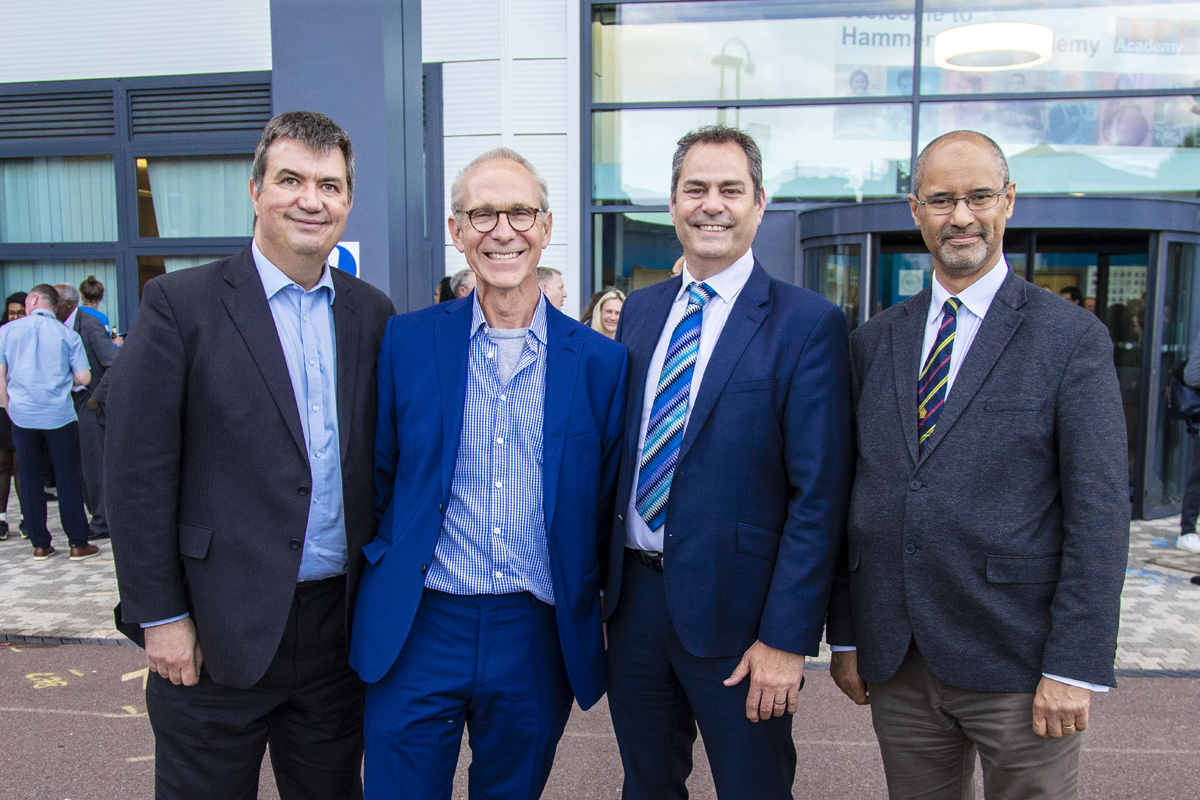
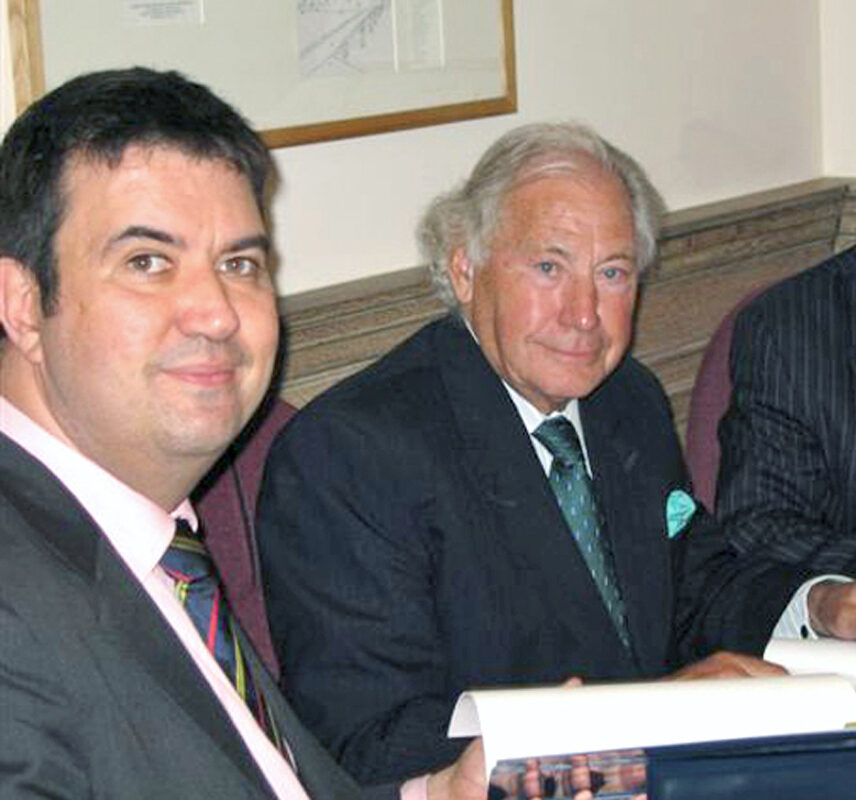
With Peter Lane (Mercers' Company), Gary Kynaston (Headteacher) and Tom Ilube CBE (Founding Chair) at the 10-year anniversary event (Hammersmith Academy, 12 May 2022).
What others have said
As the founding Chair of Hammersmith Academy, I can say with absolute confidence that Stefan was instrumental in turning our ambitious idea into a real school. He brought sound judgement, persistence and considerable legal and governance expertise to some of the most complex issues we faced. He was one of the small group of people I knew I could rely on at every stage of the project to help us find a way through when things became difficult. His role in establishing the Academy was fundamental.
Without Stefan's contribution, I do not believe Hammersmith Academy would exist today.
Sources and further reading
Contemporary project records, statutory documents and public information supporting this page.